Aug 28, 2025
As August draws to a close, a familiar rhythm returns to the orchards of Herefordshire, Somerset, Devon, Cornwall, Kent and beyond at the start of the cider apple harvest. And with it, a chance to pause and raise a glass to the people and places that make British cider one of the country’s proudest rural traditions.
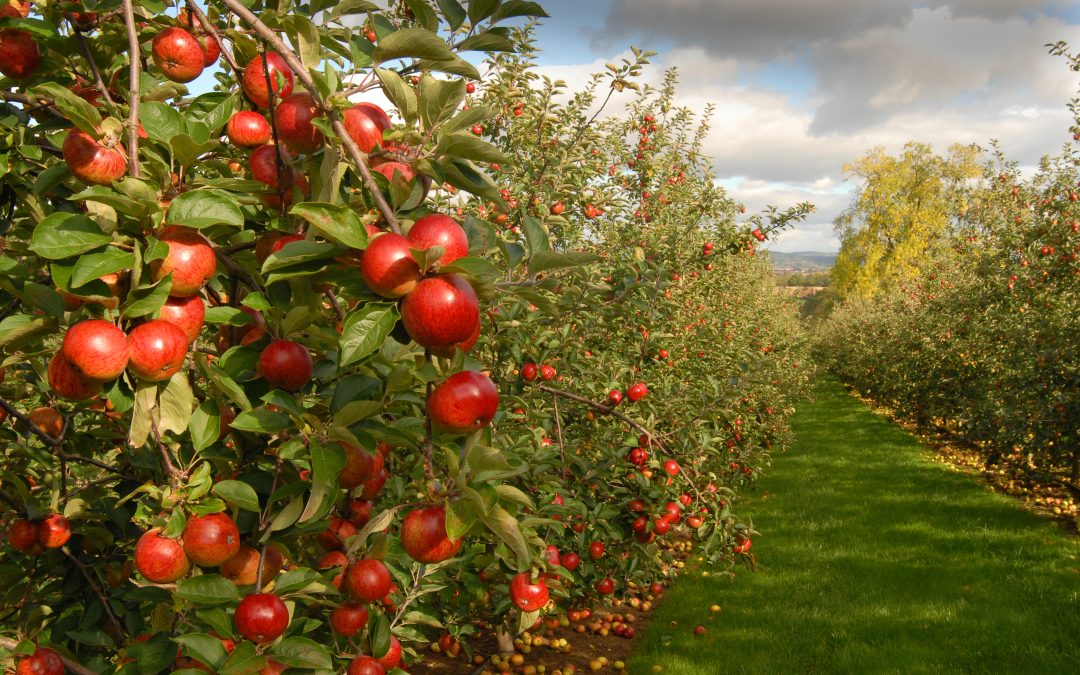
Across hills and valleys, rows of apple trees are heavy with fruit. Growers speak of a promising year of trees laden with apples, the quiet reward for months of care and decades of experience. For the 300 or more families who grow cider apples under long-term contract, this is not just a crop; it’s a way of life, a partnership passed down through generations.
The scale is remarkable. With around 15,000 acres of cider apple orchards more than the size of Oxford, nearly half the area of Bristol, or the equivalent of 11,000 football pitches, cider orchards are as much a part of the British landscape as hedgerows and harvest moons. These trees anchor biodiversity, sustain rural jobs, and frame a drink that is as deeply rooted in the land as the apples themselves.
Behind every glass of cider are great teams working together: growing apples, tending orchards and making ciders we’re proud of. Every glass also supports around 65,000 jobs across the UK, hundreds of farming families, and a proud heritage of orchard skills passed down for generations.
“The harvest is a special moment, a time to reflect on all that goes into a drink with real character and connection,” said David Sheppy, Chair of the National Association of Cider Makers (NACM). “British cider is more than a drink. It’s orchards, farmers, makers, communities and thousands of livelihoods.”
This year, the warm weather through spring and summer has delivered apples full of rich flavours and natural sweetness, perfect for cider making. It’s a timely reminder that cider is not only a drink with history, but one with a future worth celebrating. The UK remains the world’s largest cider market, with over 450 cider makers across the country producing from orchard to glass, and more than 700 million litres enjoyed every year.
This autumn, cider makers are opening their gates and welcoming people in. Whether you’re a local resident, retailer, pub, or visitor to the countryside, you’re invited to see harvest for yourself to walk among the orchards, meet the makers, and discover the apples that make British cider unique.
By choosing cider made here, you celebrate the harvest, champion the makers, and help keep orchards and rural jobs thriving for the next generation.

Jun 26, 2025
Producers and retailers gear up as consumers turn to cider for summer refreshment.
UK cider makers are gearing up for a buoyant summer as the category reclaims its natural place as the drink of the season. With increased consumer interest in provenance, freshness and naturally made drinks, cider is firmly on the radar of discerning drinkers and this summer offers a golden opportunity to celebrate the category’s unique strengths.
From heritage rich ciders made on family farms to low alcohol innovative blends, producers across the UK are investing in new products, formats and messaging to meet seasonal demand and drive growth across the on- and off-trade.
David Sheppy, Chair of the National Association of Cider Makers (NACM), commented:
“Summer has always been cider’s moment but this year we’re seeing real momentum across the board. Consumers are actively seeking out British made drinks with a story, and cider delivers just that. We’re proud to see innovation coming through alongside tradition and that combination is helping to widen the category’s appeal.”
The NACM is encouraging retailers and the trade to spotlight cider as a seasonal hero, with key talking points including:
- Freshness and provenance – made with pressed apples in British orchards.
- Diverse flavour profiles – from tannic, traditional styles to lighter, modern blends.
- Natural and lower ABV options – aligning with health-conscious consumer behaviour.
- Sustainability credentials – with many producers championing regenerative agriculture and circular production.
With cider sales often peaking between June and September, retailers are advised to review their ranges, support British producers and create clear signposting in-store and online.
“The cider category has more to offer than ever before,” Sheppy added. “Whether it’s draught or bottle, traditional or fruit-led, there’s strong consumer interest and we’d love to see more listings, trial opportunities and feature space over the coming months.”
The message is clear: cider belongs at the heart of the British summer and the trade is well placed to help the category shine.

Jun 26, 2025
The National Association of Cider Makers (NACM) brought together around 200 apple growers, orchard managers, and cider producers this week at Sheppy’s Cider in Somerset for the 2025 Growers Orchard Walk, a key opportunity for technical exchange and sector-wide discussion amid growing pressure from policy changes affecting farm businesses.
The event was hosted by David Sheppy, NACM Chair and sixth-generation cider maker at Three Bridges Farm, which manages 90 acres of cider orchards alongside a pedigree Longhorn herd. The farm operates under an SFI agreement and has invested in sustainability measures including a 39kVA solar installation, a closed-loop wetland waste system, and a biomass boiler to support the farm’s hospitality operations.
In his opening remarks, Sheppy did not shy away from the impact of recent regulatory changes.
“The last 12 months have been some of the most disruptive I can remember,” he said. “Inheritance tax uncertainty, the abrupt closure of SFI options, cost burdens from Extended Producer Responsibility (pEPR), and changes to excise duty have all hit hard. Add to that wage and National Insurance increases, and our margins are under real strain.”
The pEPR charge alone is estimated to have added 7–10p per bottle of cider from April 2025.
Despite these challenges, Sheppy was resolute in the cider sector’s long-term outlook.
“This industry is worth £3 billion a year. Over 700 million litres of cider are produced annually, supporting around 15,500 acres of orchard across the UK. We are the largest cider market globally, and growers are central to that success.”
Attendees took part in technical orchard tours, equipment demonstrations and heard from experts on orchard management practices and innovations. The event also gave growers a chance to speak directly with industry leaders and peers about navigating policy and market shifts.
The NACM, which represents over 90% of UK cider production, has joined forces with other drinks producers to raise concerns with government about the cumulative impact of new legislation on rural enterprises and supply chains.
“Partnership between growers and makers has always underpinned this sector,” Sheppy added. “It’s vital that we continue working together to preserve this industry for future generations, and to ensure British cider remains competitive, sustainable, and rooted in our farming heritage.”

Sep 7, 2023
Pictured: Ian Liddell-Grainger MP, Chair of APPCG and David Sheppy, Chair of NACM
Newly elected chair of the National Association of Cider Makers (NACM), David Sheppy, called for a freeze in excise duty until at least 2025 in his inaugural speech at the All-Party-Parliamentary Cider reception in Westminster this week.
More than 120 cider makers, MPs and those connected to the cider industry gathered to celebrate the importance of the most traditional of UK drinks. Ian Liddell-Grainger MP, chair of the APPCG, opened the event, reminding those present of the importance of cider making across many rural communities.
While the event was an opportunity to celebrate British cider makers, there was a serious note at times, with calls on the government to commit to no further excise duty increases for at least 18 months following the damaging effects of the recent 10.1% duty increase alongside the Alcohol Duty Reform changes targeting the most traditional ciders.
David explained how challenging it is at the moment for cider makers. “The last few years have been tough for cider makers. The market has been struggling and at times it has really felt as though the government has lost focus on the valuable contribution that the traditions of cider making bring to our rural economies. A 10.1% increase in excise duty; duty reforms that penalise our most traditional ciders; complicated systems that have been rushed through; increasing levels of red tape for both cider makers and farmers. The list is endless and personally I have been very frustrated and concerned that the finest, traditional ciders and family businesses are being negatively impacted”.
He called on MPs to support the cider industry, which supports more than 11,000 jobs, 16,000 acres of orchards and is worth £2.95 billion and by far the largest globally, playing an important role across rural economies in Herefordshire, across South West and beyond, cider makers attract more than 1 million tourists each year, contributing to their rural economies and supporting communities.
Highlighting industry concerns that yet another excise duty related consultation was due, David asked for support as the government begins the lengthy process of reviewing the definition of cider. “In the past those responsible for excise duty made a point of coming to see us and learn more about the cider category.” He said “we appreciate that the last few years have made that more difficult, but all of us here tonight would like to see us to return to that level of interest in cider making.”
As a sixth generation cider maker, from a cider making family spanning more than 200 years, David acknowledged how far the industry has come in that time, taking great leaps in technology, whilst also keeping with the traditions important to the heritage of cider making. He concluded that with the right support the cider industry can be optimistic for our future and for the great ciders that will be made by generations to come.


